

Does a Psychometric Career Test Actually Work? The Research-Backed Answer
August 27, 2026
Teacher Mental Health Training: Why It’s the Missing Piece in Indian Schools
August 27, 2026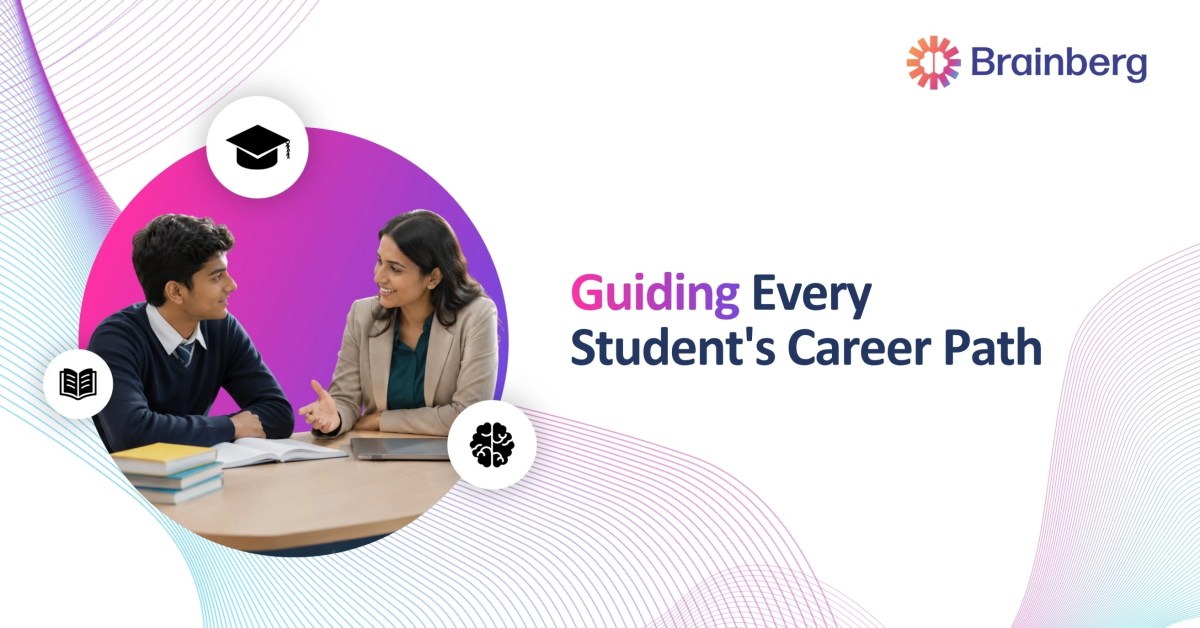
Psychometric tests for career guidance are quietly becoming the difference between a student who picks a stream because everyone else did, and one who picks it because it actually fits them, and every admission season makes that gap harder to ignore. Walk into any staff room in February or March, and you’ll see the same scene play out: students clutching stream-selection forms, parents waiting outside the principal’s office, and teachers fielding the same question on repeat, “Ma’am, Science or Commerce, what should I take?” It happens every single year, not because students lack ambition, but because nobody has handed them a reliable way to understand their own strengths first.
So, should schools provide psychometric testing for choosing a career/stream? Yes, and the reasoning isn’t complicated. A well-designed assessment gives a student, and the adults guiding them, objective evidence about aptitude, interest, and personality before a decision gets locked in. That’s a very different starting point than guesswork, rank lists, or “whatever my cousin studied.”
Why Psychometric Tests for Career Guidance Matter Right Now
Psychometric tests for career guidance matter more today simply because career decisions have moved earlier than they used to. Students are being asked to pick subject combinations by Class 9 or 10, sometimes sooner, and those choices quietly shape which colleges and courses stay open to them later. A fifteen-year-old making that call on vibes alone isn’t a minor inconvenience; it’s a genuine risk to their next several years.
That’s exactly the gap this kind of testing fills. It measures things a report card simply can’t: how a student reasons, what kind of work actually energises them, where their natural strengths sit. It’s not about predicting a job title decades out. It’s about narrowing an overwhelming list of options into a shortlist a student can explore with real confidence.
How Psychometric Tests for Career Guidance Actually Work
Psychometric tests for career guidance work by measuring mental traits scientifically, using tools checked for reliability (do they give consistent results) and validity (do they actually measure what they claim to). The word “psychometric” sounds intimidating, but it just means measurement of the mind, nothing more mysterious than that.
A solid career assessment usually looks at three layers together:
- Aptitude: how a student handles numbers, language, spatial reasoning, and logic
- Interest: what kind of work genuinely holds their attention, not what sounds impressive at a family gathering
- Personality: whether they naturally lean structured and detail-driven, or exploratory and people-facing
None of these alone tells the full story. Together, they build a profile a teacher or counsellor can actually work with, instead of a single score that flattens a teenager into a number.
NEP 2020 and the Push for a Real Career Development Program for Students
This isn’t just good practice anymore; it’s policy direction. NEP 2020, the National Education Policy that reshaped Indian schooling from the ground up, explicitly calls for career guidance to start early and run continuously, not as a single lecture squeezed in before board exams. It pushes schools to weave vocational exposure and career exploration into regular school years, and to build teacher capacity so educators can act as first-line guides instead of leaving everything to outside counsellors.
Put simply, NEP 2020 expects a career development program for students to run as a thread through school life, not a one-off event before Class 12 begins. Psychometric testing happens to be one of the most practical ways to actually deliver on that expectation, since it hands teachers a structured, evidence-based starting point instead of ad hoc advice.
Psychometric Tests for Career Guidance: A Self-Check for School Leaders
Before rolling out psychometric tests for career guidance, it helps to ask a few honest questions as a staff. Run through these with your leadership team:
- Do we currently offer structured career guidance before Class 10, or does it all happen last-minute?
- Are our teachers trained to interpret results, or would reports just sit in a file unused?
- Do parents get looped in on the findings, or only the student?
- Is there a follow-up conversation planned after testing, or does it end at the report?
If more than one answer made you pause, that’s not a failure. It’s simply where most schools currently sit, and it points to a clear next step rather than a dead end. Most rollouts start small: testing one or two grade levels first, training a core group of teachers to read reports properly, and building a short follow-up conversation into the school calendar instead of treating the test as the finish line.
Students don’t need a school to hand them a career. They need a starting point grounded in evidence instead of guesswork, and a staff willing to walk the next few steps with them. That’s what makes psychometric tests for career guidance worth building into the school year deliberately, rather than squeezing them in during exam season.
If your school is figuring out where to begin, Brainberg works with schools across India on exactly this, structured psychometric assessments paired with teacher training, so career guidance stops being a scramble and becomes part of how the school actually runs.